

Table of Contents
ToggleThe Timeless Allure of Observation
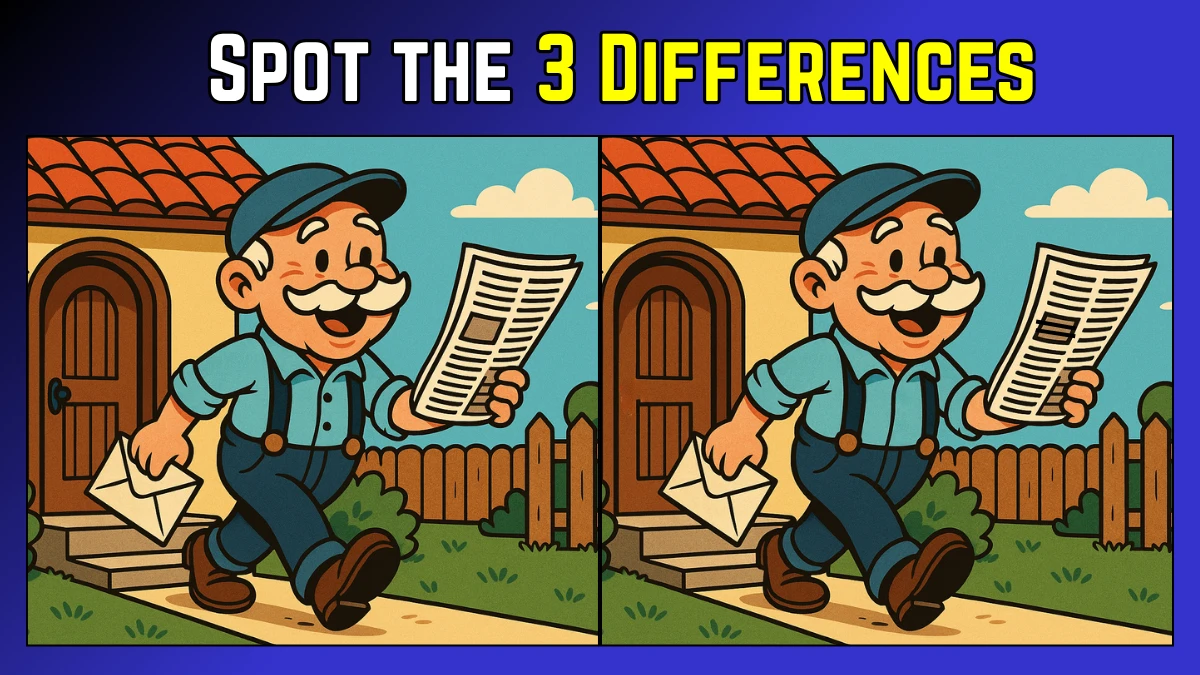
There’s a certain magic in slowing down, looking closely, and discovering what others might overlook. That’s the quiet thrill behind one of the most enduring visual puzzles of all time — spot the difference.
From glossy magazine pages to smartphone screens, this game has charmed generations across cultures and ages. Its appeal is deceptively simple: two nearly identical images side by side, challenging your eyes and mind to find the subtle changes hiding in plain sight. Yet beneath that simplicity lies something fascinating — a story of perception, focus, and how our brains interpret the world around us.
This is not just a game of patience or keen eyesight. It’s a test of attention to detail, a mental exercise that engages psychology, creativity, and even emotion.
Spot the Difference – A Game of Perception and Purpose
At its heart, spot the difference is about more than entertainment. It’s an elegant interplay between art and cognition. When players compare two images, they’re doing something surprisingly complex: decoding visual patterns, filtering distractions, and training their minds to detect change.
The Origins of a Classic Challenge
While no one can pinpoint the exact origin, early forms of the game appeared in 19th-century illustrated newspapers. Artists would create hand-drawn scenes, then alter small details in one version — a missing umbrella, a moved tree, a different facial expression. Readers loved it because it rewarded observation, a skill that felt both playful and intellectual.
Over time, it became a staple of print media — appearing in children’s books, puzzle magazines, and Sunday newspapers. With the rise of digital entertainment, the format evolved beautifully. Today, “spot the difference” puzzles are found in apps, online games, and even interactive art installations.
Why the Brain Loves Differences
Psychologists explain the appeal through how our brains are wired. The human mind thrives on patterns — we look for symmetry, repetition, and familiarity. When something deviates from what we expect, our attention spikes.
In a spot the difference puzzle, your brain is essentially on a scavenger hunt. It recognizes the base image, memorizes it briefly, and continuously cross-checks details in the second version. Each time you notice a small variation — a missing cloud, a different color — your brain releases a tiny burst of satisfaction. That’s dopamine at work: the “reward chemical” that makes you want to keep searching.
The Science of Seeing – Why Small Changes Matter
What makes spotting differences so compelling is how deeply it taps into human perception.
Attention to Detail as a Skill
Modern life bombards us with visual clutter — ads, notifications, endless scrolling. “Spot the difference” offers an antidote: focus. It trains the eyes and mind to slow down, to notice. This act of close observation strengthens what cognitive scientists call selective attention — the ability to filter out distractions and concentrate on what matters.
Studies have shown that people who regularly engage in observation-based puzzles show improvements in visual memory and pattern recognition. This isn’t just for fun — surgeons, designers, and detectives all rely on similar mental processes in their daily work.
The Memory Connection
Every time you play, your short-term memory works overtime. You’re comparing one detail with another, often flipping mental snapshots in your mind. This back-and-forth exercise sharpens memory recall and spatial awareness. It’s one reason teachers and therapists often use “spot the difference” games as cognitive training tools for children and older adults alike.
A Universal Language
Unlike word-based puzzles, spotting differences transcends language barriers. Anyone, from any culture, can play — all you need are your eyes and curiosity. That universality explains why this humble puzzle has survived centuries of change, from printed ink to augmented reality.
The Art of Subtlety – Crafting the Perfect Puzzle
Creating a truly engaging spot the difference game is an art form in itself. The best puzzles balance challenge and fairness — they’re difficult enough to make you think, but not so hard that frustration replaces fun.
Artists and designers often use these techniques to create effective puzzles:
- Variation in Size: Some changes are bold (a missing object), others microscopic (a shifted shade or reversed pattern).
- Color Manipulation: Slight tone adjustments can make an image feel different without appearing obviously altered.
- Emotional Cues: Humans are drawn to faces, so a small change in expression often stands out — or cleverly hides among details.
- Symmetry Tricks: Our brains love balance, so altering symmetrical elements subtly can make differences nearly invisible.
In modern versions, puzzles may include sound, motion, or interactive elements. Some even use AI-generated imagery to create endless variations, each tailored to your skill level.
The Psychology Behind the Play
Beyond entertainment, “spot the difference” speaks volumes about how humans process the world.
Why We Miss What’s Right in Front of Us
You’ve likely stared at two images for minutes, convinced they’re identical — until one tiny object suddenly leaps out. That moment is called attentional shift. It reveals how our perception is selective: the eyes take in everything, but the brain filters heavily.
This phenomenon mirrors daily life. We often overlook changes in our surroundings because our minds prioritize familiar patterns. Spotting differences trains us to reexamine what we think we know — to see actively rather than passively.
The Emotional Payoff
That “aha” moment when you find a hidden change isn’t just satisfying; it’s emotional. It mirrors problem-solving gratification — the same feeling you get from finishing a crossword or solving a mystery. It’s proof that our brains crave closure and recognition.
And perhaps that’s the deeper appeal: “spot the difference” gives us small, achievable victories in a chaotic world. It’s a safe space to fail, try again, and ultimately succeed — one hidden change at a time.
The Digital Age of Spotting
The game’s migration to digital formats has only amplified its popularity. Mobile apps and online versions now integrate timers, leaderboards, and themes — from serene nature scenes to pop-culture mashups.
But the shift to digital hasn’t changed its essence. Whether played on a tablet or printed page, the core experience remains the same: curiosity, patience, and discovery.
Educational Applications
Teachers use spot the difference activities to teach observation, vocabulary, and sequencing. For children, they develop fine motor skills and visual literacy. For adults, they’re used in occupational therapy to restore concentration after injury or illness.
Corporate and Professional Training
Beyond classrooms, companies have embraced these puzzles as team-building exercises. They train employees to notice errors, improve accuracy, and develop mindfulness — essential skills in industries from design to aviation.
In cybersecurity, experts even use modified versions to test analysts’ abilities to detect anomalies in data patterns — a digital parallel to finding a missing flower in a picture.
When Fun Meets Focus – The Broader Benefits
Regularly engaging in activities like “spot the difference” has measurable cognitive benefits.
- Enhances patience and focus: Searching for differences trains persistence and calm observation.
- Boosts mental agility: Your brain toggles between comparison and memory recall, improving flexibility.
- Reduces stress: The meditative rhythm of searching and finding induces relaxation similar to coloring or mindfulness.
- Supports healthy aging: Observation puzzles stimulate neural activity, helping maintain mental sharpness in older adults.
These benefits explain why the game appeals to such a wide demographic — from children learning awareness to seniors preserving it.
Spotting Differences in Everyday Life
What makes “spot the difference” truly profound is how it mirrors reality. Life constantly presents us with near-identical situations — days, conversations, choices — that differ only slightly. The skill of noticing those subtle shifts can transform how we live and think.
- In relationships, spotting differences means paying attention — noticing changes in mood or tone that reveal unspoken emotions.
- In creativity, it’s the ability to discern nuances that turn a good idea into a great one.
- In science and research, noticing what’s different can lead to discovery.
In essence, the same observational power that helps you find a missing bird in a puzzle helps you navigate the world with empathy and intelligence.
The Timeless Appeal of Curiosity
Why does this game endure when countless trends fade? Because it taps into something universal: the human desire to see, to compare, to understand. Each puzzle offers a miniature version of curiosity — a world within two images that whisper, “Look closer.”
And every time you play, you practice something larger than entertainment. You practice mindfulness, patience, and awareness — qualities that extend far beyond the page or screen.
Conclusion
At first glance, “spot the difference” seems like a pastime for waiting rooms and rainy afternoons. But look closer — and you’ll see something deeper. It’s a centuries-old exercise in human perception, a training ground for attention, and a quiet celebration of curiosity itself.
In an age of constant distraction, this simple game reminds us to pause, observe, and engage with the details that shape our world. Each found difference is a small victory of focus over haste, awareness over assumption.
The real challenge isn’t in the pictures — it’s in how we see.
And that’s what makes spot the difference not just a game, but a philosophy: the art of noticing what matters.