
Table of Contents
ToggleIn the vast universe of video games, few genres ignite the same adrenaline rush as the world of shooting games — or as it’s known in Turkish, silah oyunu. The moment you pick up a virtual weapon, step into a digital battlefield, and hear the echo of shots ricocheting in the distance, you’re not just playing — you’re immersing yourself in a test of precision, reflex, and strategy.
From realistic military simulations to fantastical sci-fi shooters, the appeal of silah games lies in their ability to merge excitement with skill. These games go beyond simple action; they invite players into a universe where timing, awareness, and decision-making define success or defeat.
Let’s dive into what makes this genre one of the most enduring and electrifying in gaming history — and why millions across the globe continue to be captivated by every new silah oyunu that hits the market.
The Evolution of Silah Oyunu
The story of shooting games stretches back over four decades, evolving from simple pixels to near-cinematic experiences. What started as arcade classics has become one of the most sophisticated and profitable genres in the world.
In the 1980s, early shooters like Space Invaders and Duck Hunt captured the imagination of gamers. They were simple yet groundbreaking — the idea of aiming, firing, and reacting in real time was revolutionary. Players weren’t just controlling characters anymore; they were actively engaging with movement, accuracy, and rhythm.
The 1990s brought a seismic shift. Titles like Doom, Wolfenstein 3D, and GoldenEye 007 introduced the first-person perspective, putting players directly behind the sights of their weapon. Suddenly, the silah oyunu wasn’t just about shooting targets — it was about survival, exploration, and immersion.
Then came the 2000s, an era that refined realism. Games like Call of Duty, Battlefield, and Counter-Strike blurred the line between simulation and play. Tactical teamwork, modern weaponry, and multiplayer modes transformed how people experienced virtual combat. Players began forming online communities, developing strategies, and even competing professionally.
Today, the silah oyunu genre has expanded into countless subgenres — from military simulations to futuristic laser battles, from survival shooters to cooperative story-driven experiences. The diversity ensures that whether you crave realism or fantasy, there’s always a silah game that fits your mood.
The Power of Immersion
Modern shooting games have become some of the most immersive digital experiences available. Developers now use high-end graphics engines, advanced sound design, and realistic physics to create virtual worlds that feel alive.
When you play a well-designed silah oyunu, every detail matters — the weight of the weapon, the recoil after a shot, the echo of footsteps through a deserted corridor. You’re not just watching a story unfold; you’re living it.
Immersion also extends to the psychology of play. Studies show that shooting games improve hand-eye coordination, reaction time, and spatial awareness. They train players to make quick decisions under pressure — a skill that translates into real-world mental agility.
This is why so many players describe the experience not just as entertainment, but as a form of flow — a state of complete focus where nothing else exists but the game, the goal, and the moment between trigger and target.
The Anatomy of a Great Silah Oyunu
Not every shooting game achieves greatness. The difference between a mediocre title and a masterpiece often lies in the fine details — the mechanics, the pacing, the feel of each weapon. Let’s break down what makes a silah game truly shine.
1. Weapon Realism and Balance
The essence of any shooting game lies in its arsenal. Players love variety, but they also crave authenticity. The best games balance realism with gameplay — every weapon feels distinct, every shot meaningful. From the satisfying click of reloading to the flash of muzzle fire, these small touches elevate the experience.
2. Intelligent AI and Strategy
A good silah oyunu challenges the player’s mind as much as their reflexes. Enemies that flank, hide, or anticipate your movements add layers of strategy. It’s not enough to shoot first — you must think ahead, plan routes, and adapt tactics.
3. Environments That Tell Stories
From war-torn cities to alien planets, environments in shooting games have become silent storytellers. The best maps are designed not just for combat but for atmosphere. Dust in the air, distant explosions, flickering lights — every element builds tension and emotion.
4. Multiplayer Dynamics
Few experiences match the intensity of multiplayer combat. Competing against human opponents introduces unpredictability. Whether in teams or solo, online modes transform the silah oyunu into a battle of intellect, teamwork, and instinct. Friendships are forged and rivalries born on these digital battlefields.
5. Sound and Emotion
Sound design can make or break a shooter. The thump of footsteps behind you, the echo of gunfire, the quiet before a storm — these cues are as important as visuals. Combined with a stirring soundtrack, they amplify adrenaline and connection.
The Subgenres of Shooting Games
The world of silah games isn’t one-size-fits-all. Over time, developers have created multiple subgenres that cater to different styles of play.
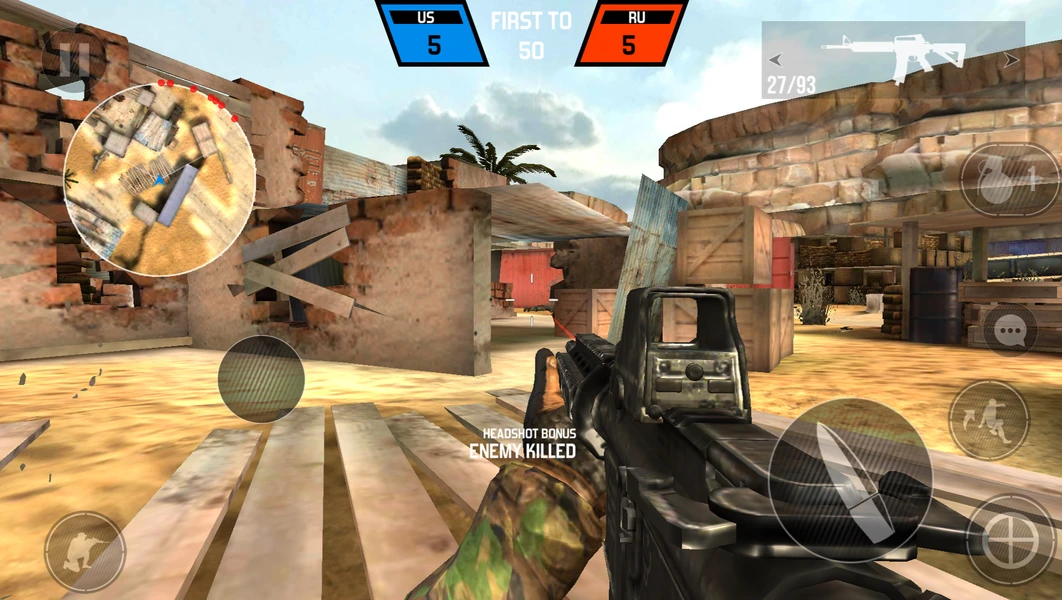
- First-Person Shooters (FPS): Games where you see through your character’s eyes. Titles like Call of Duty and Halo define this format with realism and fluid movement.
- Third-Person Shooters (TPS): Offering a wider view, games like Gears of War and Fortnite mix shooting with exploration and tactics.
- Tactical Shooters: These prioritize realism and strategy over speed. Rainbow Six Siege and Arma emphasize communication, teamwork, and planning.
- Battle Royale: A modern phenomenon. Dozens of players enter, but only one survives. PUBG and Apex Legends turned this mode into a global craze.
- Arcade Shooters: Fast-paced and stylized, games like Overwatch or Splatoon focus on fun and creativity rather than realism.
Each variation appeals to different player types, ensuring that the silah oyunu genre remains diverse and ever-evolving.
The Psychology of Shooting Games
Beyond reflexes and competition, there’s a deeper reason people are drawn to shooting games: empowerment.
In everyday life, stress, uncertainty, and responsibility can weigh heavily. A silah game offers a controlled environment where players can channel those emotions safely. It’s not about violence; it’s about mastery — learning systems, improving skills, and achieving control in a virtual world.
There’s also a strong social element. Modern shooters are rarely solitary experiences. Online matches, cooperative missions, and shared victories foster community and friendship. Players strategize, communicate, and celebrate success together — creating bonds that often extend beyond the game itself.
Interestingly, research has shown that many players of silah games are not aggressive in real life. Instead, they are often analytical thinkers who enjoy challenges and teamwork. The appeal lies in testing one’s limits, not in promoting violence.
How Technology Is Shaping the Future
Technology continues to redefine what’s possible within the silah oyunu genre. Virtual reality (VR) and augmented reality (AR) have opened doors to entirely new experiences. With VR headsets, players can physically aim, crouch, and move as if they’re inside the game.
Artificial intelligence is also advancing rapidly. Enemies in modern games can now learn from a player’s behavior, adapting strategies dynamically. Meanwhile, graphical realism is reaching cinematic levels — from lifelike shadows to facial animations that convey emotion.
There’s also a growing focus on inclusivity and storytelling. Developers are crafting narratives that explore the emotional cost of war, identity, and morality. The silah game is no longer just about winning battles; it’s about understanding the people behind them.
This evolution ensures that shooting games will continue to be not just entertainment, but art — a reflection of human creativity and complexity.
The Global Impact of Silah Oyunu
The popularity of silah games transcends borders and cultures. From competitive eSports tournaments to cooperative online missions, the genre has built a global community.
Professional tournaments attract millions of viewers and offer prize pools rivaling traditional sports. Teams train for hours each day, studying maps, strategies, and coordination — proving that gaming can be as disciplined and competitive as any physical sport.
Meanwhile, millions of casual players log in daily, drawn by the thrill of combat, the camaraderie of teammates, or simply the joy of self-improvement. The silah oyunu has become more than a game; it’s a shared experience, a virtual meeting place where people from every continent connect.
It also continues to influence technology beyond entertainment — inspiring advancements in simulation training, AI systems, and even virtual education tools.
The Controversy and the Balance
Of course, the genre isn’t without debate. Critics often question whether shooting games encourage aggression. Yet countless studies have shown that context matters — most players understand the distinction between fantasy and reality.
Developers have responded by incorporating ethical choices and emotional storytelling into modern titles. Instead of glorifying violence, they explore its consequences. These games encourage reflection, empathy, and perspective, proving that a silah game can be thought-provoking as well as thrilling.
The balance lies in creative responsibility — making experiences that are challenging, exciting, and respectful of their impact.
The Future of Shooting Games
Looking ahead, the next generation of silah games promises even greater immersion and interactivity. Cloud gaming and cross-platform play are making it easier for friends to connect, regardless of hardware. Artificial intelligence is being used not just for enemies, but for procedural storytelling — where no two experiences are the same.
We may soon see shooters that learn from player behavior, creating personalized missions and challenges. The line between reality and game will continue to blur, but the essence — the heart-pounding rush of competition and mastery — will remain.
The silah oyunu will evolve, but its spirit will endure. It’s a genre built on the timeless thrill of action, strategy, and courage.
Conclusion
At its best, a shooting game is not about destruction — it’s about focus, creativity, and connection. It’s a dance of strategy and instinct, a digital test of nerves where every second counts.
Whether you’re sniping from a distant ridge, storming a futuristic fortress, or simply outsmarting your opponent in a multiplayer arena, the excitement never fades.
The genre’s beauty lies in its adaptability. It evolves with technology but never loses its core appeal — the challenge of mastery, the joy of victory, and the satisfaction of improvement.
That’s why, after decades of innovation, millions of players still return to the battlefield every day. Because deep down, the silah oyunu isn’t just a form of entertainment — it’s an experience, a story, and a reflection of our instinct to overcome, adapt, and play.