



Table of Contents
ToggleOwning a vehicle brings convenience and freedom, but keeping it in good condition requires consistent attention. Regular automotive care helps drivers maintain performance, improve safety, and avoid unexpected repair expenses. Whether a vehicle is used for daily commuting, family travel, or long-distance journeys, understanding essential maintenance practices can make a significant difference in its lifespan and reliability.
Keep Your Engine in Excellent Condition
The engine is one of the most important components of any vehicle. It requires proper lubrication, cooling, and routine inspections to operate efficiently. Engine oil reduces friction between moving parts, while the cooling system helps prevent excessive temperatures during operation.
Drivers should check their vehicle’s oil level regularly and follow the manufacturer’s recommendations for oil changes. Coolant levels should also be inspected according to the vehicle’s maintenance schedule. Unusual engine noises, overheating, or warning lights should never be ignored, as these symptoms may indicate problems requiring professional attention.
Pay Attention to Tires and Brakes
Tires and brakes directly influence vehicle safety and handling. Maintaining the correct tire pressure helps improve road grip, fuel efficiency, and tire longevity. Drivers should also inspect tread depth and look for cracks, bulges, or uneven wear that could indicate alignment or suspension problems.
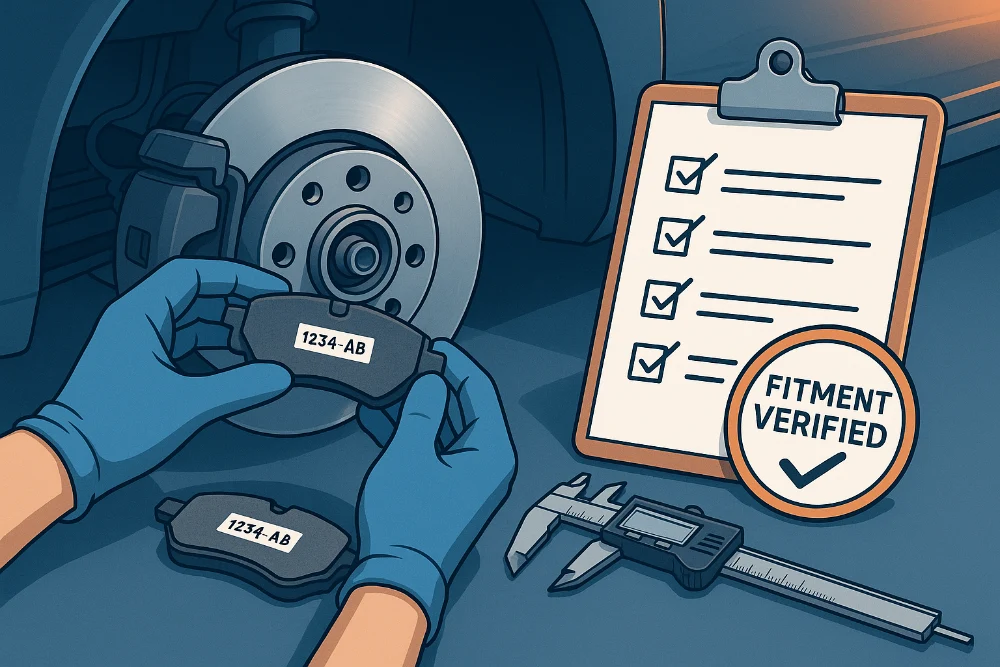
Brake components require equally careful attention. Worn brake pads, damaged rotors, and deteriorating brake fluid can affect stopping performance. If the brakes produce grinding noises or the vehicle takes longer than usual to stop, arranging a professional inspection is essential.
Regular checks become especially important before extended road trips or when driving in challenging weather conditions.
Maintain Your Vehicle’s Electrical System
Modern automotive systems depend heavily on electrical components. Batteries, alternators, sensors, and wiring work together to support starting, lighting, entertainment, and various electronic features.
A weak battery may cause slow engine cranking, dim headlights, or difficulty starting the vehicle. Keeping battery terminals clean and having the charging system tested when necessary can help prevent inconvenient failures.
Drivers should also pay attention to dashboard warning indicators. These signals can provide valuable information about potential electrical or mechanical issues, although
