

Table of Contents
ToggleWhen people search for Pauline from Nintendo, they’re usually trying to understand something simple but surprisingly layered: who she is, why she matters in Mario’s world, and how her role has changed over time. Many also run into confusing or misleading searches online—ranging from “who played Pauline” to completely unrelated or inappropriate queries that don’t reflect the character’s actual history. This often leads to more confusion than clarity, especially because Pauline has existed across decades of Nintendo storytelling with multiple redesigns, voice actors, and game appearances.
Pauline is one of Nintendo’s earliest human characters, first appearing in the original Donkey Kong (1981). She started as a simple “damsel in distress” role but has since evolved into a fully developed character, especially in modern titles like Super Mario Odyssey. Today, she is recognized not just as Mario’s early-era companion but also as a symbol of how Nintendo updates legacy characters for modern storytelling.
This article breaks down Pauline’s origin, design evolution, voice actors, media appearances, and related characters—while also clearing up common misconceptions so you can understand her place in the Nintendo universe clearly and accurately.
1. Who is Pauline in Nintendo?
Pauline is a human character in Nintendo’s Mario universe, best known as the original “captured girlfriend” of Jumpman (the early version of Mario) in Donkey Kong. Over time, her role expanded significantly beyond that early trope.
In modern games, especially Super Mario Odyssey, she is no longer a passive character. Instead, she is portrayed as:
- The Mayor of New Donk City
- A confident public leader
- A singer and performer
- A symbol of urban design within the Mario universe
Her transformation reflects Nintendo’s broader shift toward giving legacy characters more depth and agency.
2. Pauline’s Origins: Donkey Kong (1981)
Pauline first appeared in the arcade game Donkey Kong, where she was kidnapped by Donkey Kong and rescued by Jumpman.
Key details from her origin:
- One of Nintendo’s earliest human characters
- Designed during the arcade era with limited graphical detail
- Served as the objective of the game (rescue mission)
- Represented a classic arcade storytelling format
At this stage, she had minimal personality, but she played a crucial role in shaping early platform gaming narratives.
3. Character Evolution Over Time
Pauline disappeared from the main spotlight for many years, replaced in later Mario titles by Princess Peach. However, she was reintroduced in modern Nintendo games with a completely refreshed identity.
Modern Reinvention in Super Mario Odyssey
In Super Mario Odyssey, Pauline returns as:
- Mayor of New Donk City
- A key musical figure (she performs “Jump Up, Super Star!”)
- A confident, independent leader
This version is dramatically different from her 1981 portrayal. Instead of being rescued, she leads a city and actively participates in the game’s world-building.
4. Voice Actors and “Who Played Pauline?”
A common search query is “who played Pauline (Nintendo)?” This refers to her voice actors in modern games.
Notable voice portrayal:
- English voice: commonly credited to Kate Higgins in major Mario titles (including modern appearances)
- She also appears in different localized voice directions depending on the game and region
Important clarification: Pauline does not have a long cinematic acting history like film characters, because she is primarily a video game character.
Unlike many fictional characters with live-action portrayals, Pauline exists almost entirely in interactive media.
5. Pauline in Movies and Media
Another frequent search is “Pauline Nintendo movies.”
Here’s the accurate situation:
- Pauline is not a central character in Nintendo-based films
- She has no major starring role in The Super Mario Bros. Movie (2023)
- Her presence is mainly limited to games, spin-offs, and promotional content
Nintendo has focused Pauline primarily in gaming titles such as:
- Donkey Kong series (original appearance)
- Super Mario Odyssey
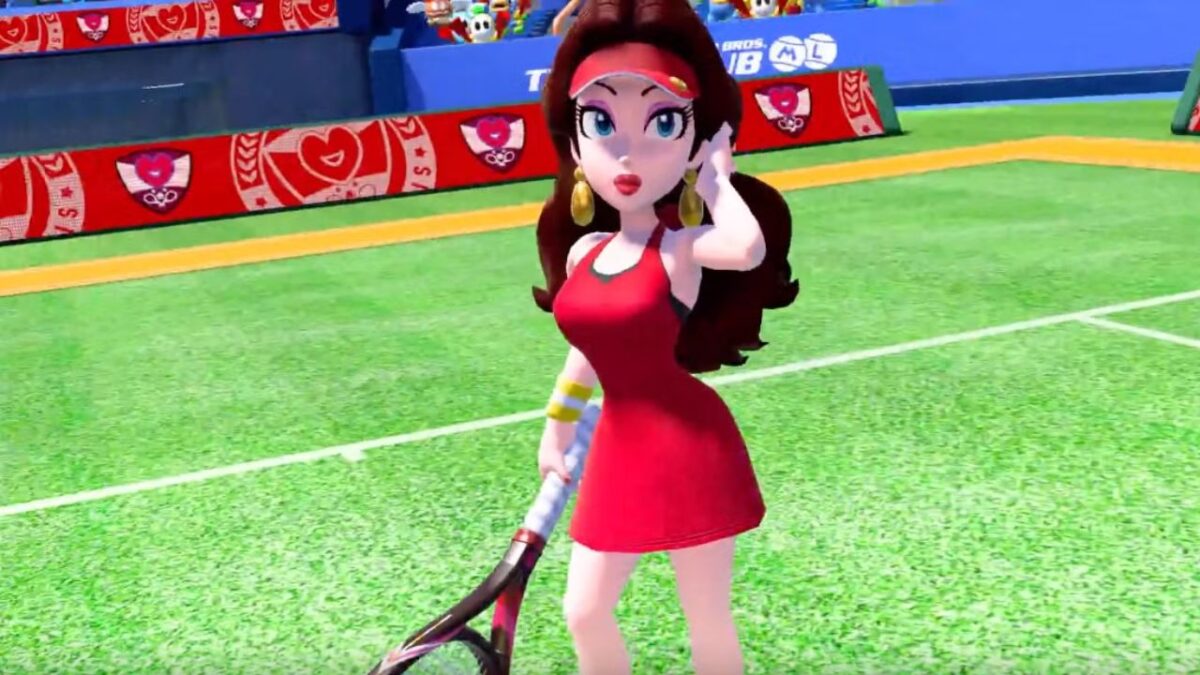
- Mario Kart Tour
- Various crossover Mario sports and party games
So while Mario and Peach have strong cinematic representation, Pauline remains largely a game-focused character.
6. Who Created Pauline?
Pauline was created by Nintendo’s early development team during the arcade era.
Key context:
- Developed by Nintendo R&D1
- Directed by early Nintendo designers including Shigeru Miyamoto’s team
- Introduced as part of Nintendo’s first major global arcade success
Her design reflects early 1980s arcade storytelling: simple goals, clear roles, and minimal dialogue.
7. Common Misunderstandings and Search Confusion
Many online searches around Pauline include misleading or irrelevant terms such as “nude” or other inappropriate associations. These do not reflect the character’s official design, story, or portrayal in Nintendo media.
In reality:
- Pauline is a family-friendly Nintendo character
- She is designed for all-ages gaming audiences
- Her modern portrayal focuses on leadership and music, not outdated stereotypes
A helpful way to understand her is to separate:
- Early arcade role (1981 simplicity)
- Modern narrative character (fully developed personality)
8. Similar Characters in Nintendo Universe
If you’re interested in Pauline, you may also like similar Nintendo characters who share thematic or narrative roles:
Princess Peach
- Ruler of the Mushroom Kingdom
- Frequent damsel-turned-leader evolution
- Closely tied to Mario’s main storyline
Princess Daisy
- Energetic ruler of Sarasaland
- More athletic and competitive personality
- Appears frequently in sports titles
Rosalina
- Cosmic guardian introduced in Super Mario Galaxy
- Deep lore and emotional backstory
- Protector figure rather than traditional princess archetype
Captain Toad
- Adventure-driven character from Mario spin-offs
- Focuses on exploration and puzzle-solving
Pauline stands out among them as she bridges both “classic arcade history” and “modern urban storytelling.”
9. Why Pauline Matters Today
Pauline is more than just a returning character—she represents Nintendo’s ability to modernize its legacy.
Her importance includes:
- Showing how old arcade characters can evolve
- Expanding Mario’s world beyond fantasy kingdoms
- Introducing urban, real-world-inspired environments (New Donk City)
- Adding musical identity to Mario games
Her song “Jump Up, Super Star!” became one of the most iconic modern Mario themes, reinforcing her cultural impact.
10. Conclusion
Pauline’s journey is one of the most interesting transformations in Nintendo history. From a simple rescue objective in 1981 to a confident mayor and performer in Super Mario Odyssey, she reflects how game characters can evolve with time while staying true to their origins.
Pauline now stands as a symbol of Nintendo’s storytelling growth—bridging arcade history with modern game design. While she may not appear as frequently as Mario or Peach, her role is uniquely important in shaping the broader Mario universe.
Understanding Pauline correctly means separating myth from fact and recognizing her real contributions to gaming history.
At Royal Etable, we explore the world of gaming with a focus on gameplay experiences, trending titles, and player insights that bring the virtual world to life. We also highlight gaming journeys, strategies, and updates that help gamers stay ahead and enjoy every level with a deeper understanding.