

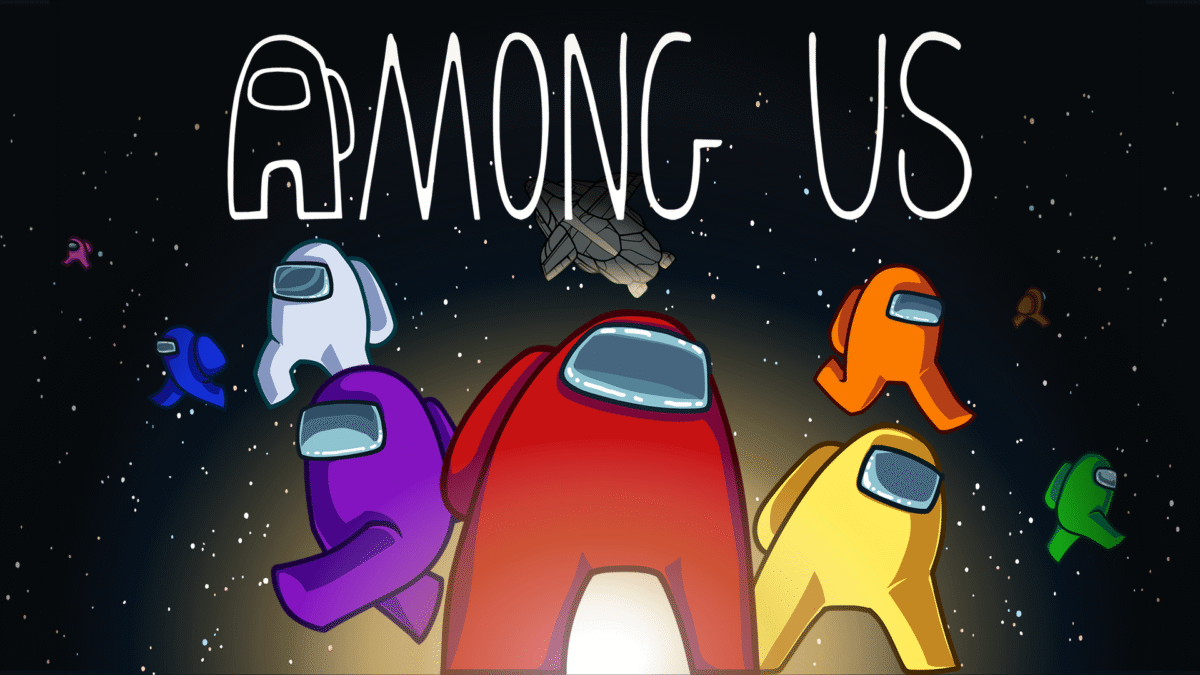
In a digital age overflowing with fast-paced games and endless content, only a few titles manage to carve out a cultural footprint that feels timeless. The journey of Among Us—a small indie project that rose to global prominence—stands as one of the most unexpected success stories in gaming history. What began as a modest experiment in social deduction eventually transformed into a worldwide phenomenon, reshaping how players interact, collaborate, and deceive within virtual spaces.
Its ascent wasn’t immediate. In fact, it took years for the game to finally reach the audience it deserved. Yet when the world slowed down, people sought connection more than ever, and this peculiar little title—full of suspicion, humor, and shared chaos—became the digital meeting ground for millions. The result was a boundless stream of memories, friendships, betrayals, and laughter that helped solidify the game’s unique place in modern culture.
The Origins of a Space Mystery
Before it skyrocketed across streaming platforms and social media feeds, the game’s foundation was built quietly and thoughtfully. A small team dreamed up a simple premise: put a group of players together, give them shared tasks, then inject tension by hiding one or more impostors among the crew. The straightforward design wasn’t meant to compete with blockbuster titles—it was meant to bring people together.
The mechanics were simple, almost deceptively so. Crewmates dutifully completed tasks to keep their spaceship functioning, while impostors lurked in the shadows, sabotaging vital systems and eliminating unsuspecting players. The brilliance was in the simplicity. You didn’t need lightning-fast reflexes or years of gaming experience; you just needed curiosity, intuition, and the ability to bluff when things got tense.
Social Deduction Reinvented
The heart of the game lived not in the tasks, maps, or even the sabotage sequences—it thrived in the meetings. Once a body was reported or an emergency was called, players were forced into the most unpredictable part of the experience: conversation.
Accusations flew. Timid voices tried to defend themselves. Skilled liars manipulated the room with ease. Friends who trusted one another in real life suddenly found themselves doubting every word spoken on the screen. It was in these moments that the game truly shined. Disconnecting from the rush of everyday life, players were immersed in a microcosm of psychology, intuition, and emotion.
This sense of social immersion made the game Among Us feel less like a typical video game and more like a shared story that players wrote together—each round a new chapter, each accusation a plot twist.
A Surge Fueled by Community
Every cultural explosion has a tipping point. For this title, it was content creators and streamers who brought its hidden charm into the spotlight. In a matter of weeks, viewers around the world found themselves hooked on the drama unfolding in real time. The game became a stage where personalities collided—chaotic, hilarious, and occasionally heartwarming.
Because it was so easy to pick up, friends, families, and coworkers began playing it during evenings, weekends, and work breaks. It served as a virtual living room during a time when physical gatherings were impossible. The experience wasn’t just about winning or losing; it was about the laughter that erupted when a friend forgot to mute, the shock of a perfectly executed betrayal, and the satisfaction of solving a mystery that felt deeply personal.
Why the Simplicity Worked
Part of the game’s staying power comes from its minimalist approach. Instead of overwhelming players with rules or mechanics, it provided a blank canvas for human behavior. The creativity didn’t come from the tools—it came from the players.
Those who loved strategy crafted elaborate plans. Those who loved chaos stirred confusion at every turn. Those who loved storytelling spun elaborate tales of innocence or suspicion. The result was endless replayability. Even when the maps and tasks remained the same, the human element ensured no two rounds were alike.
This openness also encouraged modification, fan art, and roleplay variations. The community built entire worlds inspired by the original design. More than many modern titles, it invited people to express themselves creatively, making it feel more like a shared cultural playground than a solitary gaming experience.
The Emotional Rollercoaster
People often remember games based on how they made them feel. The game excelled at creating emotions that spanned the entire spectrum. There was the quiet satisfaction of completing tasks, the creeping paranoia when wandering into an empty corridor, and the adrenaline rush when trying to defend oneself during an intense meeting.
Some moments were heartbreaking—a friend you trusted turned out to be the impostor all along. Others were exhilarating—catching someone in the act, proving your innocence, or pulling off an impossible lie. Because the game mirrored the unpredictability of real social interactions, these emotions felt authentic and unforgettable.
A Cultural Touchstone
When players in Among Us engaged in debates, planned alibis, or built trust through shared tasks, they were participating in something both deeply familiar and surprisingly novel. It captured the spirit of classic social deduction games while giving them a new digital home. Even after the initial wave of popularity mellowed, its influence lingered. Memes, artwork, music, and cultural references continued to thrive across platforms.
The game also inspired a broader appreciation for indie development. It became a reminder that successful games don’t always require massive budgets or cutting-edge graphics. Sometimes, the most meaningful experiences come from unexpected places—from teams with passion, creativity, and a willingness to experiment.
An Evolving Universe
As updates, new maps, and added roles entered the scene, players found fresh ways to engage with the experience. And yet, the core essence remained unchanged: a blend of trust and betrayal that kept every session unpredictable. Since its rise, Among Us proved how adaptable the format could be, offering room for new strategies, fresh social dynamics, and evolving challenges.
Some players took the game lightly, enjoying laid-back rounds with friends. Others transformed it into a battleground of logic and persuasion. This versatility helped the community stay vibrant long after the initial boom.
The Lasting Impact on Multiplayer Gaming
The game’s success reshaped how developers approached social interaction in online environments. It demonstrated that voice chat, meetings, and player-driven narratives could be just as thrilling as traditional action gameplay. The ripple effect influenced design philosophies for years to come.
Developers began focusing more on accessibility, emotional engagement, and the power of human connection. The game became a case study in how unpredictability, humor, and raw interaction can become core gameplay elements.
Lessons in Trust and Deception
Beyond the fun and chaos, the game offered subtle insights into human behavior. It showed how quickly trust can form—and how easily it can break. It revealed the power of persuasion, the effect of group dynamics, and the mischief that unfolds when people are given room to deceive safely.
In classrooms, workplaces, and communities, people used sessions as icebreakers, team-building exercises, or simply a way to unwind together. The universe of Among Us became a small-scale simulation of real communication patterns, highlighting the beauty and complexity of human interaction.
A Game That Connects Us
Even years after its peak, players continue to return to the familiar maps, the quirky characters, and the hilarious misunderstandings. Its charm doesn’t come from cutting-edge technology—it comes from the people playing it. The stories told within its colorful corridors stay with players long after the round ends.
Whether you played casually with family, competitively with friends, or spontaneously with strangers online, the experience was shared. It was universal in a way few games manage to achieve.
The Unexpected Emotional Depth
What makes the game unforgettable isn’t just the mechanics—it’s the emotional tapestry it weaves. When a crewmate defends you, when a friend falsely accuses you, or when you manage to pull off the perfect bluff, these moments imprint themselves as miniature memories. You remember the laughter, the betrayal, the sudden victories, and the collective sighs of disbelief.
Games often aim to entertain, but this one managed to capture something deeper: the unpredictable magic that happens when people come together, even in a virtual spaceship.
Conclusion
In the end, the story of this iconic social deduction adventure is more than a tale of gaming success—it’s a reflection of how humans connect, communicate, and entertain one another when given the simplest of tools. Long after trends fade and new titles emerge, its legacy remains rooted in the shared experiences it sparked. It reminded us that even in digital worlds, the most powerful element is the human one. Through suspicion, laughter, and the thrill of discovery, this game carved out a permanent home in the hearts of players worldwide.