

Table of Contents
ToggleSpace combat games have always captured the imagination of players, and Starblast continues that tradition with a modern multiplayer twist. Instead of focusing only on fast-paced battles, the game combines exploration, resource gathering, ship upgrades, and strategic combat into an experience that is both easy to learn and challenging to master.
Whether you’re a newcomer looking for your first match or a returning pilot aiming to improve your skills, Starblast offers plenty of reasons to keep coming back. This guide explores its history, gameplay mechanics, game modes, winning strategies, and the reasons it remains popular years after its release.
What Is Starblast?
Starblast is a browser-based multiplayer space shooter where players control customizable spacecraft and compete in large online arenas. Every match begins with a basic ship, but as you collect crystals and upgrade your equipment, your spacecraft becomes more powerful and capable of taking on stronger opponents.
Unlike many arcade shooters that focus solely on combat, Starblast encourages players to balance mining, upgrading, teamwork, and tactical decision-making throughout each game.
The Story Behind Starblast
Created by indie developer Neuronality, Starblast first appeared during the popularity of browser-based “.io” games. While many games from that era focused on simple mechanics and short gameplay sessions, Starblast introduced a deeper progression system that rewarded both skill and strategy.
Inspired by classic space games from previous decades, the developers modernized familiar mechanics by adding online multiplayer, ship evolution, competitive rankings, and cooperative gameplay.
Over time, frequent updates expanded the game’s content with additional ships, improved balancing, new modes, customization options, and community-created experiences, helping Starblast grow beyond its original browser roots.
How the Gameplay Works
Every match starts with a small spacecraft that has limited firepower and defense. Your primary objective is to gather crystals by destroying asteroids scattered across the map.
These crystals serve several important purposes:
- Upgrading your ship
- Unlocking stronger spacecraft
- Improving combat performance
- Increasing survivability
As you collect more resources, you gradually transform from a vulnerable pilot into a powerful space fighter capable of challenging experienced opponents.
Success depends on balancing resource collection with combat. Spending too much time mining leaves you exposed, while fighting too early often results in quick defeat.
Upgrade System
One of Starblast’s biggest strengths is its progression system. Rather than relying on random upgrades, players decide how to improve their spacecraft.
Common upgrade categories include:
- Weapon power
- Shield strength
- Energy capacity
- Energy regeneration
- Ship speed
- Turning agility
Choosing the right upgrade path depends on your preferred playstyle. Some players prioritize mobility for quick escapes, while others invest heavily in damage to overwhelm enemies.
Different Game Modes
Starblast offers multiple modes that keep gameplay fresh.
Team Mode
Players are divided into competing teams, each protecting its own space station while attempting to destroy enemy bases. Cooperation plays a major role, making communication and teamwork essential for victory.
Survival Mode
Every pilot fights independently in a free-for-all environment. There are no teammates to rely on, meaning survival depends entirely on your decisions and combat skills.
Invasion Mode
Instead of battling other players, teams cooperate against increasingly difficult waves of AI-controlled enemies. This mode emphasizes coordination and efficient resource management.
Pro Deathmatch
Designed for experienced players, this mode removes much of the early progression and focuses almost entirely on fast-paced combat and individual skill.
Ships and Progression
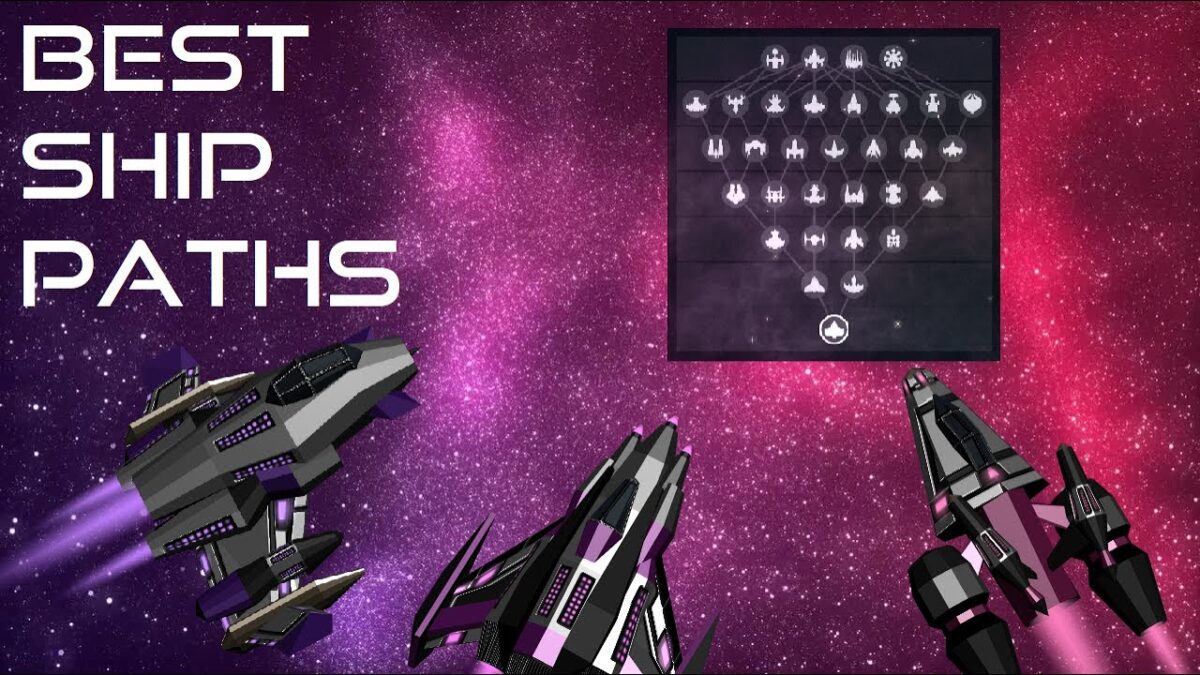
One of the game’s most enjoyable features is its extensive ship tree.
Players begin with entry-level spacecraft and gradually unlock more advanced designs by earning crystals and upgrading their current ships.
Each vessel offers different advantages.
Some specialize in:
- Heavy firepower
- Long-range attacks
- High mobility
- Strong defensive capabilities
- Balanced performance
Learning the strengths and weaknesses of each ship is an important part of becoming a successful pilot.
Customization Features
Beyond upgrading statistics, Starblast allows players to personalize their spacecraft through cosmetic options.
Customization includes:
- Ship skins
- Materials and textures
- Badges
- Visual effects
- Various cosmetic enhancements
These additions don’t dramatically affect gameplay but allow players to create a unique identity during multiplayer battles.
Why Starblast Remains Popular
Easy to Learn
The controls are straightforward, making it possible for new players to jump into matches almost immediately.
Deep Strategy
Although the basic mechanics are simple, long-term success requires careful planning, smart upgrades, and tactical positioning.
Fast Matches
Most games can be enjoyed in relatively short sessions, making Starblast ideal for players who don’t have hours to invest every day.
Constant Variety
Procedurally generated maps and unpredictable opponents ensure that no two matches feel exactly alike.
Competitive Multiplayer
Climbing leaderboards, improving your ranking, and defeating skilled opponents provide long-term motivation for dedicated players.
Tips for New Players
Spend Time Mining First
Many beginners rush directly into combat, only to lose valuable crystals. Gathering resources early creates a stronger foundation for later battles.
Upgrade Wisely
Early investments in energy regeneration and shield strength often provide better survivability than focusing entirely on weapon damage.
Keep Moving
Stationary targets are easy to eliminate. Constant movement makes you harder to hit while creating better opportunities to attack.
Avoid Unnecessary Fights
Every battle carries risk. If you’re carrying many crystals or your shields are low, retreating is often the smarter decision.
Learn Every Ship
Understanding the capabilities of different spacecraft helps you recognize both opportunities and dangerous matchups during combat.
Working as a Team
In Team Mode, victory rarely comes from individual performance alone.
Successful teams usually divide responsibilities between players who:
- Mine resources
- Protect the base
- Attack opponents
- Scout enemy movements
- Support teammates
Coordination often defeats raw firepower.
Challenges Players May Face
Despite its strengths, Starblast isn’t perfect.
New players sometimes struggle against experienced veterans who understand advanced movement techniques and optimal upgrade paths.
Resource gathering can also feel repetitive for players who prefer nonstop combat. Since mining is central to progression, patience becomes an important part of the overall experience.
Additionally, while the minimalist graphics contribute to the game’s charm, players accustomed to cinematic 3D shooters may initially find the presentation relatively simple.
Community and Ongoing Development
A passionate community continues to support Starblast through strategy guides, competitive tournaments, custom game modes, and online discussions.
Community-created modifications and private servers provide additional ways to experience the game beyond the standard matchmaking system.
Regular balancing updates and special events have also helped keep gameplay fresh while encouraging both new and returning players.
Why Starblast Still Stands Out
Many modern multiplayer games compete by offering increasingly realistic graphics and enormous production budgets.
Starblast takes a different approach.
Its appeal comes from polished gameplay, satisfying progression, and meaningful player interaction rather than visual spectacle. The combination of accessible controls and strategic depth allows it to remain enjoyable years after release.
The game proves that strong design and engaging mechanics often matter more than cutting-edge graphics.
Who Will Enjoy Starblast?
Starblast is an excellent choice for players who enjoy:
- Fast-paced space combat
- Online multiplayer competition
- Ship upgrades and progression
- Tactical decision-making
- Short but exciting matches
- Skill-based gameplay with long-term mastery
Players looking for story-driven adventures or role-playing mechanics may prefer other genres, but those seeking quick, rewarding multiplayer action will likely find Starblast highly entertaining.
Final Verdict
Starblast successfully combines arcade action with strategic progression, creating a multiplayer experience that remains enjoyable for both beginners and experienced players. Every match presents new challenges, from choosing the right upgrades to deciding when to attack, defend, or retreat.
Its blend of mining, ship evolution, competitive combat, and teamwork gives the game remarkable replay value without overwhelming players with unnecessary complexity.
Whether you’re chasing leaderboard rankings, playing casually with friends, or simply looking for an engaging browser-based shooter, Starblast continues to prove that simple ideas executed well can deliver countless hours of fun among the stars.